


RWD Data Insights: Linkage of patient services and real-world healthcare data
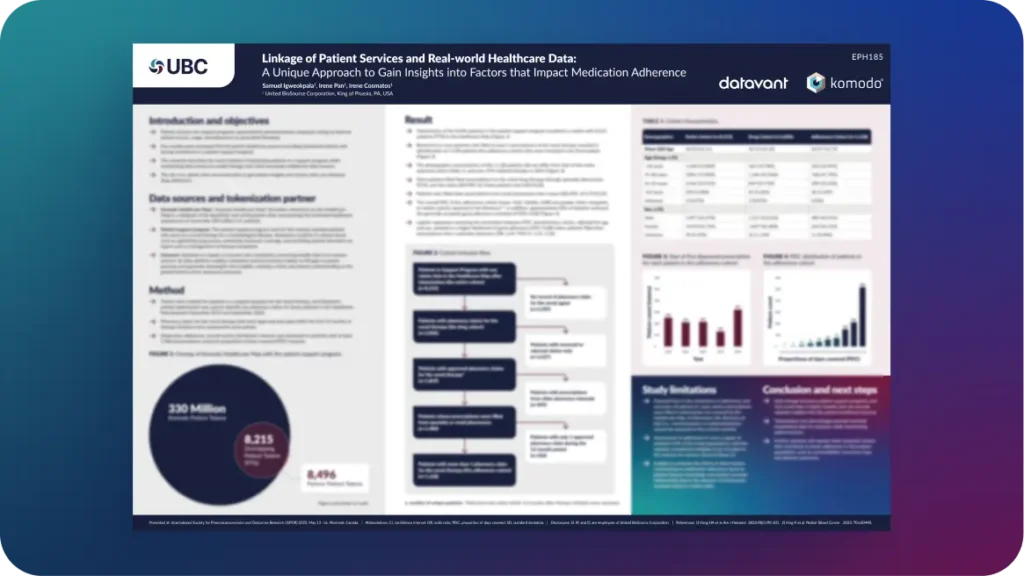
Explore UBC’s study to see how linking patient support programs and RWD is a source of valuable insights into the patient healthcare journey.
Principles for tailored patient access through an integrated technology approach
The strategic integration of technology and data is crucial for today’s patient services program. Explore key principles, enablers, and actionable steps to achieve the most appropriate tech-enabled patient access program.
Enhancing Global Clinical Trials: The Impact of Travel Concierge Services on Patient Recruitment, Retention, and Compliance
Read our white paper to explore methods of overcoming travel-related barriers to recruitment, retention, and compliance.
FDA Compliant Clinical Trial Diversity Action Plan Checklist
Ensure FDA compliance with a Clinical Trial Diversity Action Plan (DAP). Get strategies for RWD geo-targeting, engagement, and Modernized Study Designs (MSDs).
The Vital Role of Diversity in Clinical Trials
Download our white paper The Vital Role of Diversity in Clinical Trials for a three-pronged approach to help address clinical trial enrollment and participation gaps.
Resource Guide for Patients Living with Rare Diseases
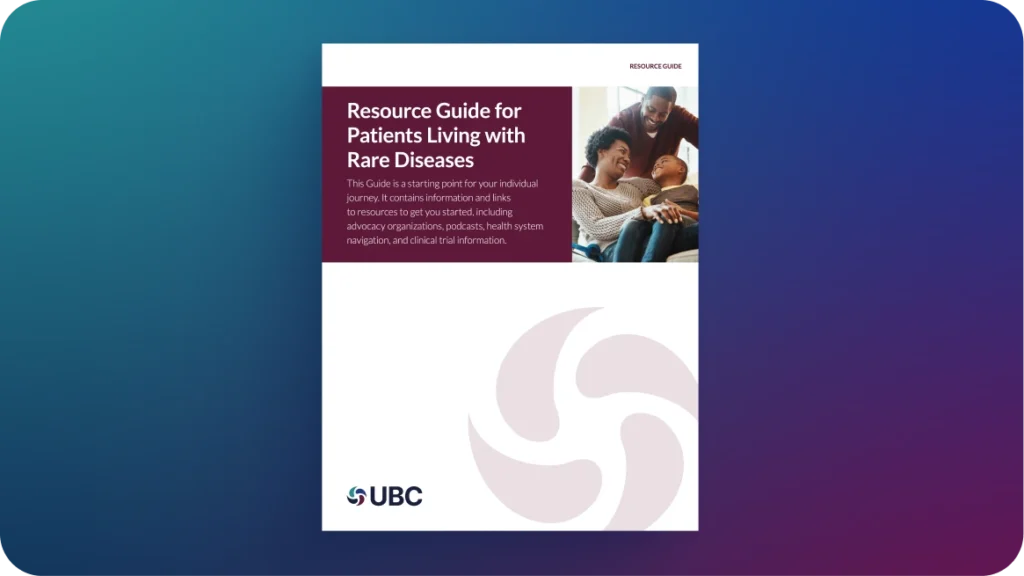
Access this essential Rare Disease Patient Resource Guide to get comprehensive information on advocacy groups, community connections, clinical trial options, and navigating your diagnosis.
Social Determinants of Health Scorecard
This scorecard helps you evaluate if your patient access program meets your patients’ social determinants of health (SDOH) challenges.
Understanding the Importance of Utilizing Social Determinants of Health
This white paper explores using the elements of social determinants of health (SDOH) to create optimal patient services program design.
Integrated REMS and Patient Support Services Solution for Complex Rare Disease
Discover how UBC has been the single point of contact for over 10 years to reduce program risk and burden through multiservice governance for 28,000 patients.