


Navigating the AI Landscape: Expanding the Toolbox (Part 2) and Having a Little Fun Along the Way
AI can support much more than drafting content. In Part 2 of our series, we explore practical tools that help teams organize information, improve communication, capture meeting insights, visualize complex concepts, and work more efficiently so experts can stay focused on what matters most.
The Centaur Model: What the Future of Pharmacovigilance Actually Looks Like

AI isn’t replacing pharmacovigilance professionals. It’s changing how they work. Learn why the centaur model, where humans direct AI rather than defer to it, is emerging as the standard for regulated safety operations.
Five Ways AI is Already Changing Case Processing and Where Humans are Still Needed

From triage to causality assessment, AI is changing how case processing teams work. We break down five areas where automation is making an impact, and the human expertise that still has to anchor every decision.
The AI vs. Automation Question Nobody in PV Is Asking Clearly

Automation and AI are often used interchangeably in PV, but they’re built for different jobs. This piece breaks down where each one delivers value, and how to choose the right fit without adding unnecessary complexity.
Reality Check: AI in Pharmacovigilance Is Not What We Think
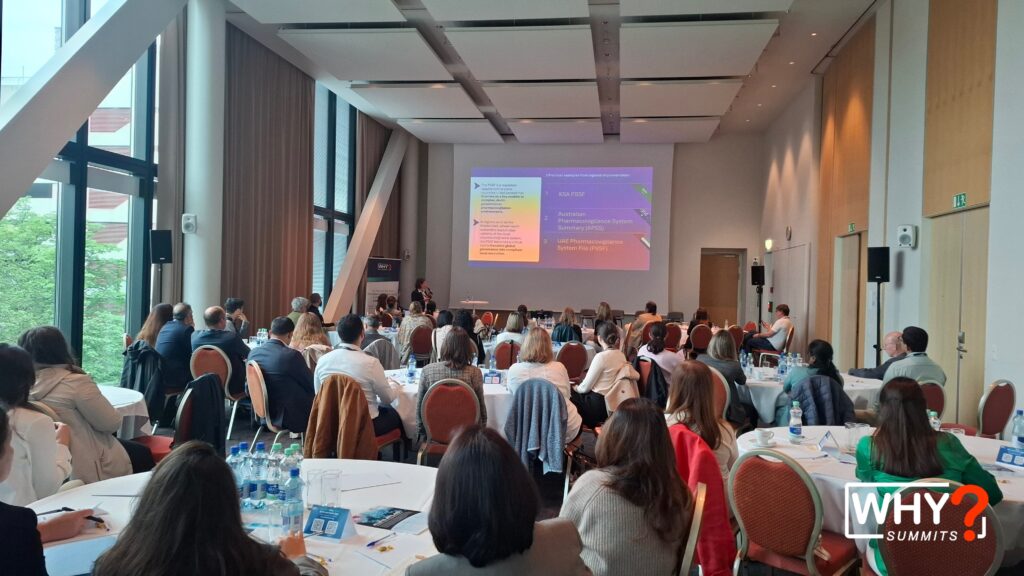
AI is everywhere in PV conversations, but far less mature in practice. Here’s what stood out from Why Summit: Future of PV: validation bottlenecks, signal inflation, and why the real challenge isn’t technology.
Redefining PV Skillsets in an AI-Driven World: Training the Next Generation of Safety Scientists
As AI becomes embedded across pharmacovigilance, the skills required of safety scientists are rapidly evolving. This article examines the shifting balance between human expertise and AI-enabled tools, outlining the competencies, training pathways, and cultural changes needed to prepare tomorrow’s hybrid PV workforce.
Putting a Seatbelt on AI: How Risk-Based Integration is Transforming Drug Safety

AI is revolutionizing drug safety, but without proper guardrails, it can introduce new risks. Learn how risk-based integration strategies are helping life sciences companies harness AI’s power while maintaining trust, transparency, and compliance.
What Place for Humans in a PV World Integrating AI?

Artificial intelligence is transforming pharmacovigilance—but human expertise remains essential. As AI systems evolve to support drug safety monitoring, ensuring human oversight is key to managing risk, improving outcomes, and maintaining trust. At UBC, we’re blending AI innovation with deep PV knowledge, empowering our teams through AI awareness training and shaping a safer future for patients. Discover how AI and humans can work together to advance pharmacovigilance.