




As psychedelics move toward potential FDA approval, Oregon’s psilocybin service centers offer early lessons in patient-centered care. This article examines real-world practices in preparation, dosing, facilitation, and integration—and what they may reveal about future clinical use.
Judy Lytle
Executive Director of Evidence Development Study Solutions
Immune checkpoint inhibitors deliver transformative outcomes, yet real‑world durability is often limited by primary and acquired resistance. This article explores the biological foundations of ICI resistance and outlines how integrating these insights into HEOR models can improve value assessment and real‑world decision‑making.
As AI becomes embedded across pharmacovigilance, the skills required of safety scientists are rapidly evolving. This article examines the shifting balance between human expertise and AI-enabled tools, outlining the competencies, training pathways, and cultural changes needed to prepare tomorrow’s hybrid PV workforce.
Modern medical record retrieval is transforming real-world evidence. Datavant’s approach combines nationwide reach, deep data connectivity, and high record yields to deliver comprehensive, research-ready datasets.
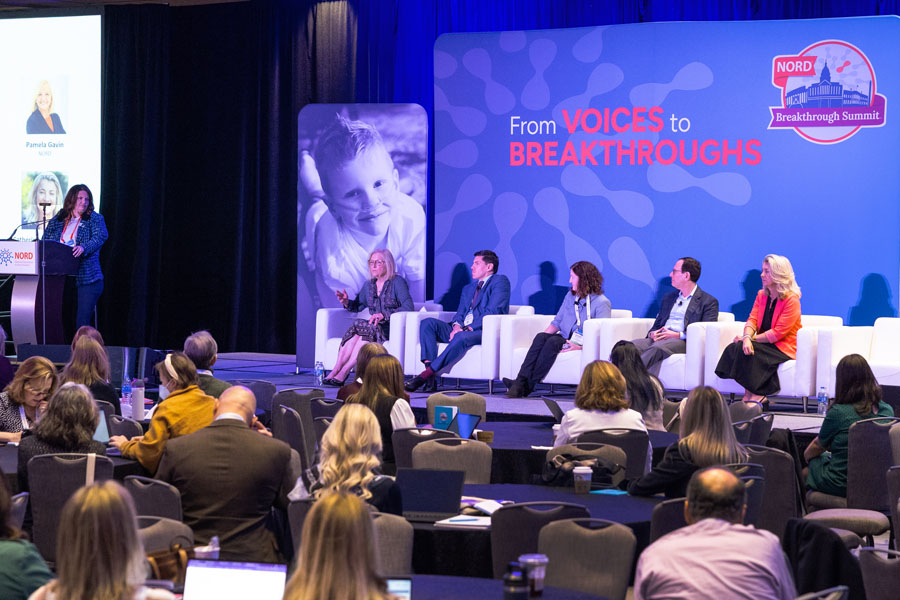
UBC attended the 2025 NORD Rare Diseases & Orphan Products Breakthrough Summit, where patient voices, scientific innovation, and regulatory expertise converged to shape the future of rare-disease research. Learn what inspired us and how we’re advancing real-world evidence, patient partnerships, and innovative trial designs to accelerate progress for the rare-disease community.
As cell and gene therapies reshape treatment paradigms, patient support programs must evolve to meet new challenges. Discover how strategic alignment, payer advocacy, and innovative solutions can optimize the patient journey.
UBC recently completed a multi-country feasibility assessment to identify disease registries capable of supporting a PASS for a novel therapy targeting a hereditary muscular disorder. The study evaluated registry data elements, quality, and governance to ensure fit-for-purpose real-world data (RWD) for generating reliable RWE.
Learn how companies are making the most of their oversight capabilities by leveraging real-time data to improve the health of their pharmacovigilance program.
AI is revolutionizing drug safety, but without proper guardrails, it can introduce new risks. Learn how risk-based integration strategies are helping life sciences companies harness AI’s power while maintaining trust, transparency, and compliance.
Platforms designed specifically for the collection and communication of operational pharmacovigilance data are breaking down long-standing barriers to real-time PV oversight.
Drug repurposing is transforming the landscape of rare disease treatment by leveraging existing medications for new uses. With significantly lower development costs and faster timelines, this approach is gaining traction—especially when supported by natural history studies that provide deep insights into disease progression and real-world treatment patterns.
The EMA’s August 2025 guidance on embryo-foetal risk minimisation marks a pivotal step in harmonizing safety protocols across the EU. This blog breaks down the new Addendum I to GVP Module XVI, clarifying what constitutes a Pregnancy Prevention Programme and how risk minimisation tools can be effectively implemented without compromising patient access to essential treatments.
Dr. Janine Collins
Vice President, Medical, Scientific & Real-World Research
Bekki Bracken Brown serves as the President and CEO of UBC, guiding the company’s mission and values, including the improvement of access for patients to receive better outcomes. She oversees all aspects of UBC, such as operations, business growth strategy, sales and marketing, and acquisition support.
With over 20 years of industry experience, Ms. Brown brings knowledge from a successful career in senior management from her tenure at Quintiles, INC Research, and, most recently, with Syneos Health. She’s been a member of the North Carolina BIO Board of Directors since 2019. She is also a member of the Healthcare Businesswomen’s Association — Southeast Chapter and CHIEF, an organization that supports women executive leaders. Ms. Brown earned her bachelor’s degree at Duke University.