

Last month, our team from UBC had the privilege of attending the 2025 NORD Rare Diseases & Orphan Products Breakthrough Summit in Washington, D.C. The event brought together more than 900 rare disease advocates, patient leaders, researchers, industry professionals, and policymakers.
Here’s what we learned, what inspired us, and how we’re channeling momentum into our work for rare-disease clinical research.
A Powerful Convergence of Voices
One of the most striking things about the Summit was the deep integration of patient voices, scientific experts, and regulatory expertise. Panels covered everything from trial innovation to evolving regulatory expectations, and throughout a consistent theme emerged: collaboration is essential to accelerating progress for rare diseases. As Pam Gavin, NORD CEO said, “It’s not enough to invite patients to the table, give them a permanent seat.”
From the Community Voice Spotlight sessions to the C-Suite discussions, we were reminded that rare disease research isn’t just about science, it’s also about equity, access, and amplifying the voices of patients and caregivers. Katie Gillick, rare disease patient advocate said, “The greatest gift you can give a patient is to help them feel heard, understood and believed.”
Pam echoed this in her opening comments reminding us that,
“A breakthrough isn’t really a breakthrough if you can’t access it.”
Driving Innovation in Rare-Disease Research: Real-World Evidence and Smarter Study Designs
At UBC, we are committed to advancing evidence generation for rare diseases and the Summit confirmed that our focus is aligned with where the field is heading.
Across multiple breakout sessions, experts emphasized the growing need to integrate real-world evidence with innovative study designs to better support small, heterogeneous patient populations.
The discussion around real-world data, patient-reported outcomes, and medical-record integration was particularly powerful. These approaches are no longer “nice to have” additions, they are becoming essential tools for understanding how therapies perform outside traditional trial settings. And they are critical for diseases where every data point matters.
These themes reflect the core strengths of UBC. Our teams have long been leaders in:
- Patient registries and observational research that capture long-term outcomes
- Real-world data integration and advanced analytics to generate meaningful evidence
- Decentralized and hybrid study models that reduce burden on patients and increase access
- Post-approval research designed to evaluate long-term safety, effectiveness, and quality of life
We’re proud to be at the forefront of methodologies that capture the real-world lived experience of patients, transforming that information into actionable evidence for regulators, payers, providers, and the rare-disease community. This work is central to our mission: helping therapies reach the patients who need them, backed by data that reflects their real lives.
A Special Guest
A memorable moment came from Senator Amy Klobuchar, co-chair of the Rare Disease Congressional Caucus. She highlighted the 30 million people in the U.S. living with a rare disease and reminded us, “We have to stand up for the people who are not in this room.”
She underscored ongoing gaps in treatment — with 95% of rare diseases still lacking an approved therapy — and reinforced the need for continued advocacy, research, and investment.
Strengthening Patient Partnerships
For UBC, the Summit served as more than an educational experience, it reinforced our commitment to the people at the heart of our work. Behind every data point is a patient and family navigating uncertainty, hope, and the complexities of living with a rare condition.
During the Summit:
- We strengthened relationships with existing patient advocacy partners and identified new opportunities for collaboration.
- We listened directly to patient leaders about their experiences, challenges, and expectations for future therapies.
- We reaffirmed our commitment to co-creating study materials, improving enrollment strategies, and designing patient-centric studies that reduce burden and increase accessibility.
Action Items Going Forward
Inspired by the conversations and connections at NORD, we are committed to:
- Expanding Real-World Evidence Capabilities
Advancing new approaches to integrate EHR data, patient-reported outcomes, and other real-world evidence to unite access, experience, and outcomes. - Deepening Patient Advocacy Partnerships
Engaging patient groups earlier and more often in rare-disease programs to ensure studies reflect lived experience. - Advancing Innovative Trial Designs
Continuing to deploy adaptive and hybrid models, while reducing patient burden through travel support, reimbursement solutions, and patient-friendly study operations — all core components of UBC’s expertise.
Final Thoughts
Attending the NORD Breakthrough Summit was a reminder of why we do what we do. Rare disease research is not only a scientific challenge; it is a responsibility and an opportunity to create meaningful change for patients who urgently need it. At UBC, we’re honored to play a role in that process. We are grateful to NORD, to the patient advocates who shared their stories, and to the researchers, clinicians, and policymakers who are helping drive progress. The path to innovation is stronger when we walk it together.
Want to talk more? If you’re a rare disease patient organization, biotech sponsor, or investigator interested in working with us, we’d love to connect. Let’s build the evidence, insights, and support systems needed to accelerate therapies and improve outcomes for the rare community.
About UBC
United BioSource LLC (UBC) is the leading provider of evidence development solutions with expertise in uniting evidence and access. UBC helps biopharma mitigate risk, address product hurdles, and demonstrate safety, efficacy, and value under real-world conditions. UBC leads the market in providing integrated, comprehensive clinical, safety, and commercialization services and is uniquely positioned to seamlessly integrate best-in-class services throughout the lifecycle of a product.

About the Author
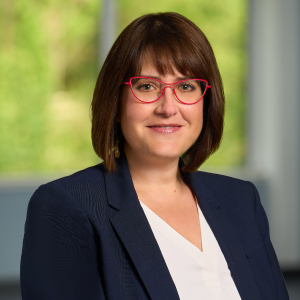
Julie Shutt, Associate Director, Patient Engagement
For the last 17 years, Julie has focused exclusively on championing patients in clinical research. From interventional trials to long-term observational studies, her work is rooted in a simple belief: every patient deserves clear information, compassionate support, and an accessible path to participation.